Top Screen-Free Learning Options: Engaging Educational Activities for Kids
- Apr 15
- 4 min read
In a world buzzing with screens, finding ways to engage young minds without a digital device can feel like searching for a hidden treasure. But guess what? There’s a whole universe of screen-free learning options that not only spark curiosity but also build essential skills. Imagine your child’s eyes lighting up as they explore, create, and discover—without a single screen in sight. Let’s dive into some of the best activities that bring learning to life in the most delightful, hands-on ways.
Why Choose Screen-Free Learning Options?
You might wonder, why bother with screen-free activities when tablets and apps are so convenient? Well, screens can be great tools, but they often limit creativity and physical interaction. Screen-free learning encourages kids to use their senses, think critically, and connect with the world around them. It’s like planting seeds in a garden—each activity nurtures growth in different ways.
For example, building a simple birdhouse teaches problem-solving and fine motor skills. Playing with blocks enhances spatial awareness and math concepts. These activities invite children to slow down, explore deeply, and develop patience—qualities that screens rarely cultivate.
Plus, screen-free time helps reduce eye strain and promotes better sleep patterns. It’s a win-win for both mind and body.
Top Screen-Free Learning Options to Try Today
Ready to roll up your sleeves? Here are some engaging activities that blend fun with education, perfect for children aged 4 to 8.
1. Nature Scavenger Hunt
Turn your backyard or local park into a classroom. Create a list of natural items for your child to find—like a smooth rock, a feather, or a yellow leaf. This activity sharpens observation skills and introduces basic biology concepts.
Tip: Encourage your child to describe each item’s texture, color, and shape. This builds vocabulary and sensory awareness.

2. DIY Science Experiments
Simple experiments can ignite a love for science. Try making a volcano with baking soda and vinegar or growing crystals with salt and water. These hands-on projects teach cause and effect, chemical reactions, and patience.
Tip: Ask your child to predict what will happen before starting the experiment. This sparks critical thinking.
3. Storytelling with Puppets
Create puppets from socks or paper bags and put on a show. Storytelling enhances language skills, creativity, and emotional expression. Plus, it’s a fantastic way to practice sequencing and narrative structure.
Tip: Invite your child to invent their own stories or retell favorite books using the puppets.
4. Cooking Together
Cooking is a delicious way to learn math, science, and culture. Measuring ingredients introduces fractions and numbers, while following a recipe builds reading comprehension and sequencing skills.
Tip: Choose simple recipes like fruit salad or homemade pizza to keep it fun and manageable.
5. Gardening
Planting seeds and watching them grow teaches responsibility and biology. Kids learn about plant life cycles, weather, and nutrition. Plus, gardening is a calming activity that connects children with nature.
Tip: Use clear containers to grow beans or herbs indoors, so kids can observe roots and shoots closely.
What is the meaning of BrightPath?
You might have come across the name BrightPath and wondered what it truly represents. BrightPath is more than just a name—it’s a philosophy. It symbolizes a journey toward enlightenment, growth, and discovery. Just like a path illuminated by sunlight, it guides children gently toward knowledge and understanding.
At its heart, BrightPath encourages exploration and curiosity, helping children find their own way through learning adventures. It’s about lighting up the mind and spirit, fostering confidence and joy in every step.
This idea perfectly aligns with the mission of brightpathprints.com, a wonderful resource dedicated to inspiring children to connect with nature and learning through screen-free educational activities. Their approach is all about nurturing curiosity and essential life skills in a warm, engaging way.
Creative Arts and Crafts for Learning
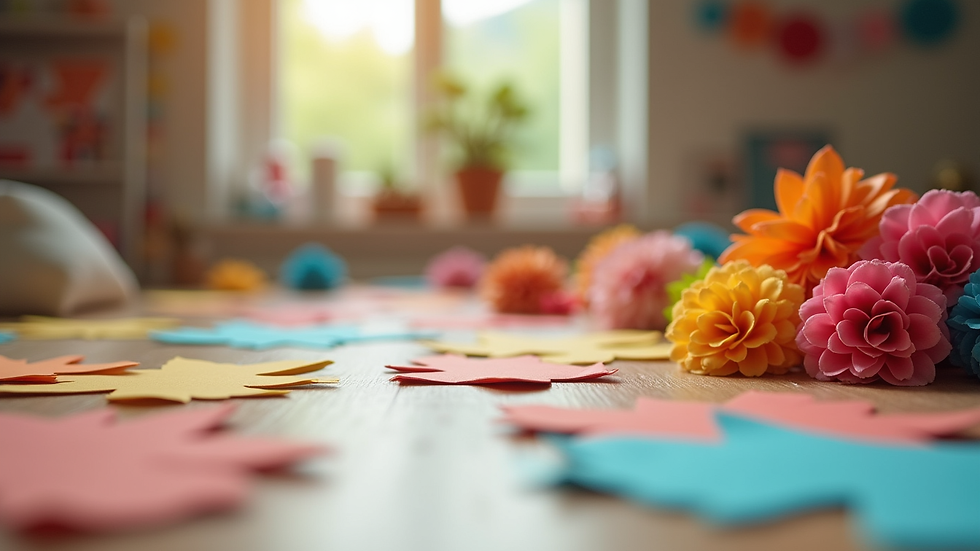
Art is a universal language that speaks directly to a child’s imagination. Screen-free learning options that involve arts and crafts offer endless opportunities for self-expression and skill-building.
1. Nature Collages
Collect leaves, twigs, flowers, and seeds to create beautiful collages. This activity teaches about textures, shapes, and patterns while encouraging creativity.
Tip: Use recycled paper and non-toxic glue to keep it eco-friendly.
2. Shape and Color Sorting
Using colored paper, buttons, or beads, have your child sort items by shape or color. This simple game builds early math skills and attention to detail.
3. Homemade Instruments
Craft instruments like shakers from rice-filled bottles or drums from empty containers. Music enhances auditory skills, rhythm, and coordination.
Tip: Combine this with a dance session for a full-body learning experience.
Building Social Skills Through Group Activities
Learning doesn’t happen in isolation. Screen-free group activities teach cooperation, communication, and empathy—skills that are just as important as academic knowledge.
1. Cooperative Games
Games like “Simon Says” or “Duck, Duck, Goose” encourage listening and turn-taking. These simple games build social awareness and physical coordination.
2. Group Story Circles
Sit in a circle and take turns adding sentences to a story. This activity fosters creativity, listening skills, and teamwork.
3. Community Service Projects
Involve children in age-appropriate community activities like planting a garden or cleaning a park. These experiences teach responsibility and kindness.
Encouraging Lifelong Curiosity
The beauty of screen-free learning options is that they plant seeds of curiosity that grow well beyond childhood. When children engage with the world directly, they develop a natural desire to explore and understand.
So, how can you keep this flame burning bright? Here are a few gentle nudges:
Ask open-ended questions: Instead of giving answers, invite your child to think and explore possibilities.
Celebrate mistakes: Show that errors are part of learning, not something to fear.
Create a learning-friendly environment: Keep materials like books, art supplies, and nature tools accessible.
Be a learning partner: Join in the activities and share your own excitement.
By weaving these habits into daily life, you help children build a BrightPath of their own—one filled with wonder, knowledge, and joy.
If you’re looking for more inspiration and resources to support screen-free educational adventures, check out brightpathprints.com. It’s a treasure trove of ideas designed to help children connect deeply with nature and learning.
Remember, the best learning happens when children feel free to explore, imagine, and create—no screens required. So, why not start today? The world is waiting to be discovered.

Comments